
The Redirecting Power of Plinko Pegs: An In-Depth Exploration
The popular game of How Plinko pegs redirect falling balls Plinko serves as not only a source of entertainment but also as an intriguing example of physics and engineering principles in action. At its core, Plinko operates on a simple yet fascinating mechanism whereby pegs alter the trajectory of falling disks. This article delves into how Plinko pegs redirect falling objects, the underlying scientific principles, and the impact of this understanding on game design and player experience.
What is Plinko?
Plinko is a game that originated from the television show “The Price Is Right,” and has since become a staple in various gaming arenas, both physical and digital. The game involves a vertical board filled with countless pegs arranged in a triangular layout, where players drop disks from the top. As the disks descend, they encounter the pegs, which redirect their path, ultimately landing the disk in various slots at the bottom of the board, each with different values.
The Role of Pegs in Plinko Mechanics
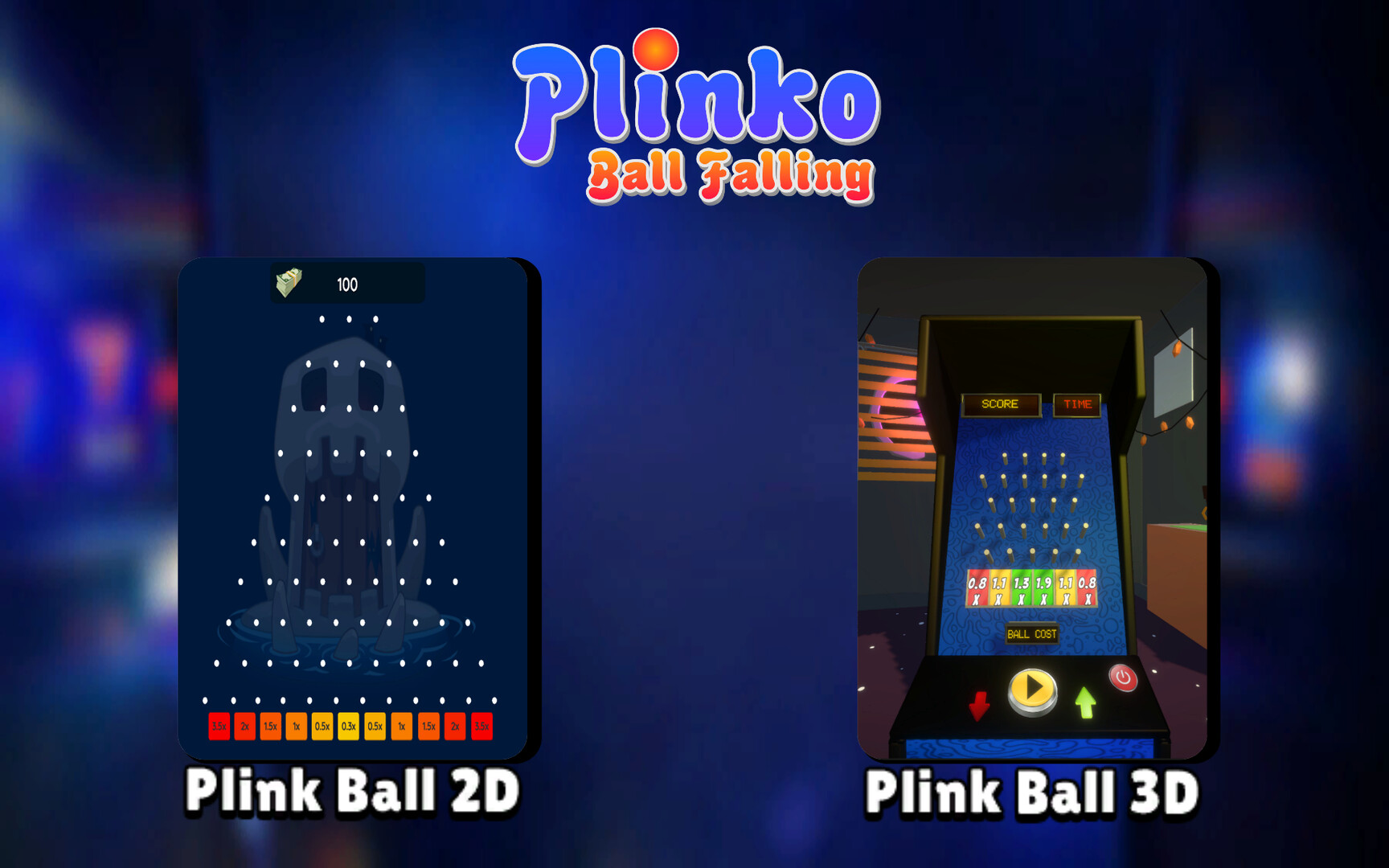
The pegs in a Plinko board serve an essential function: they act as obstacles that redirect the disks as they fall. Each peg is strategically placed to ensure that the disks have the opportunity to bounce off and change directions multiple times before reaching the bottom of the board. The arrangement of these pegs is crucial, as it creates a randomized yet mathematically fascinating outcome for each drop.
Physics Behind the Pegs
To understand how Plinko pegs work, one must first consider the basic principles of physics involved in the game. When a disk is dropped from a height, it is subject to gravitational force, which pulls it downward. As the disk approaches a peg, it hits the peg at an angle, resulting in an elastic collision. This collision transfers kinetic energy from the disk to the peg, causing the disk to ricochet off at an angle determined by the angle of incidence and the surface properties of the peg.
Trajectory Changes
The trajectory of the falling disk can be predicted using principles of reflection and probability. When the disk strikes a peg, it can bounce either left or right, depending on the angle of impact and the random variable of which face of the peg it collides with. Assuming a uniform distribution, the likelihood of the disk bouncing left or right remains close to 50% given a perfect peg. However, imperfections in the game or changes in the initial drop height can skew these results, leading to fascinating variations in gameplay.

The Design of Plinko Boards
The design of a Plinko board is far from arbitrary. Engineers and game designers meticulously organize the pegs to create a balanced experience that maximizes both variability and fairness. By varying the height and placement of the pegs, designers can influence how players experience the game, adding elements of skill, chance, and strategy.
Strategic Peg Placement
Strategic placement of pegs can create areas of higher or lower probability for the disks to land in specific slots at the bottom. For example, if more pegs are clustered at one side of the board, this might create a higher likelihood for disks to land in certain slots. Game designers may use computer simulations to test various configurations before finalizing the board layout. These simulations can provide data on how modifications to peg layout affect game outcomes and player strategies.
Player Interaction with the Game
The unpredictable nature of how disks are redirected by the pegs contributes to the excitement of Plinko. Players often engage with the game by developing strategies on where to drop the disk to maximize their chances of landing it in a high-value slot. This interplay between chance and skill enhances the user experience and keeps players engaged.
Observations from Observers
As players drop their disks, observers witness the myriad pathways each disk can take—some may have near-vertical drops, while others may weave through the pegs like a pinball. The dynamic and sometimes chaotic nature of these descents draws in onlookers and enhances the overall atmosphere of excitement.
Applications Beyond Entertainment
The mechanics of Plinko pegs extend beyond simple entertainment. The principles demonstrated in this game apply to various fields, including engineering, algorithms, and educational tools. Understanding how objects interact with obstacles can inform the design of better traffic flow systems, amusement park rides, and even manufacturing processes that rely on the controlled movement of materials.
Educational Uses
Teachers have recognized the potential of Plinko as an educational tool. By using Plinko boards in classrooms, educators can teach students about physics concepts such as gravity, momentum, and energy transfer in a hands-on manner. Witnessing the effects of pegs in real-time provides students with an engaging way to grasp these principles and apply them to real-world scenarios.
Conclusion
In conclusion, Plinko serves as more than just a game; it is a captivating illustration of how pegs can redirect falling objects based on fundamental physical principles. The strategic placement and interaction of pegs contribute to the game’s complexity and excitement, while also offering insights into various scientific and engineering concepts. Whether enjoyed casually or studied for their mechanics, Plinko pegs illustrate the fascinating interplay of chance and design, ensuring this game remains a popular choice for many.